
How Does Heat Tracing Work?
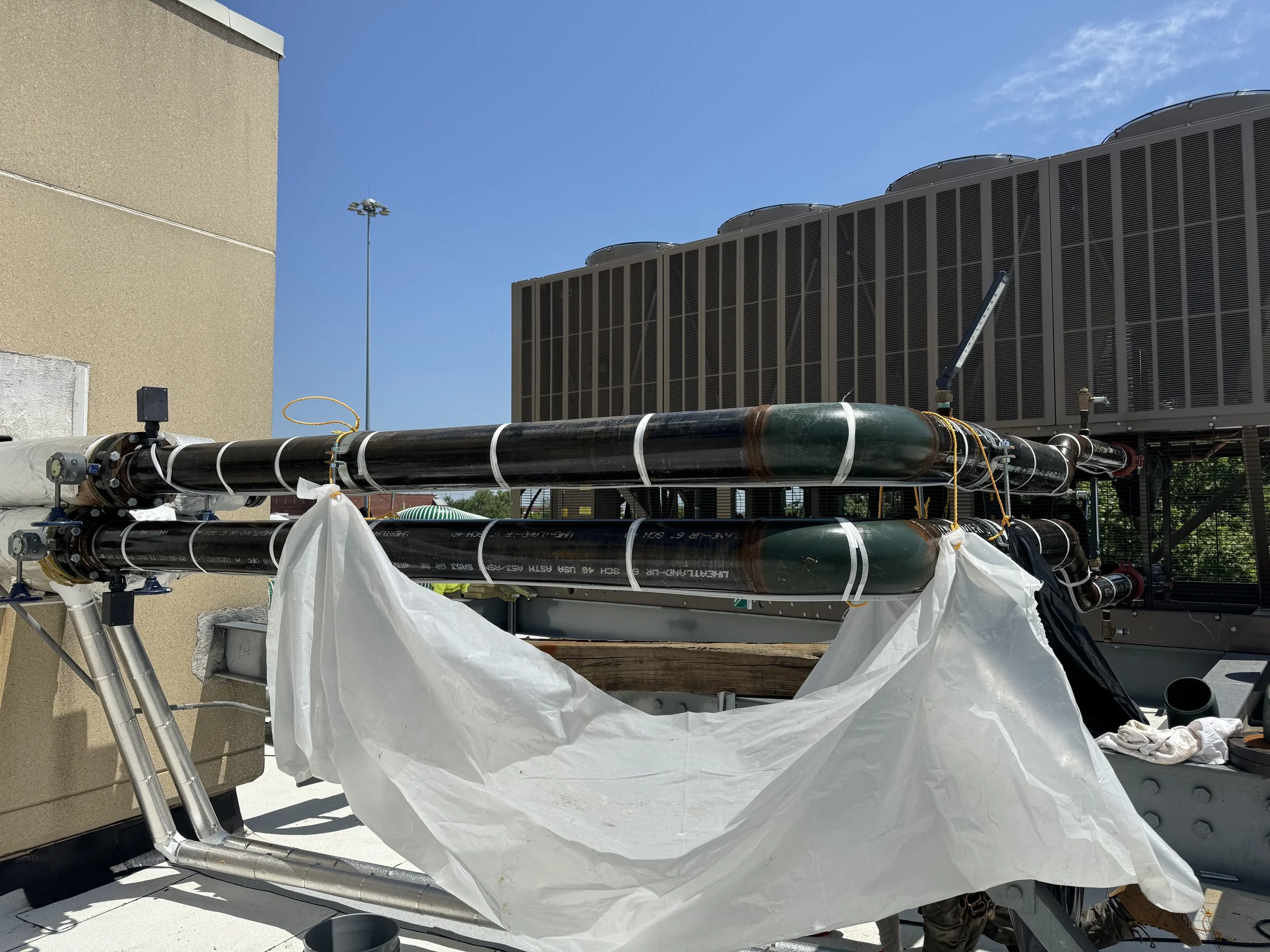
Heat tracing is an essential solution for maintaining the temperature of piping systems, especially in cold environments where freezing can disrupt operations. Whether it's preventing frozen lines or ensuring process fluids stay at the right temperature, heat tracing plays a major role in keeping industrial systems safe and efficient.
Below, we’ll break down exactly how heat tracing works, the different types available, and why it’s a critical part of plant reliability.
How Heat Tracing Works
A heat tracing system begins with a heat trace cable installed along the entire length of a pipe. Once the cable is placed, heat trace tape is applied to secure the cable in position. To prevent heat loss, the pipe, cable, and tape are then enclosed with an insulation jacket. This ensures that generated heat stays within the pipe system and energy is not wasted.
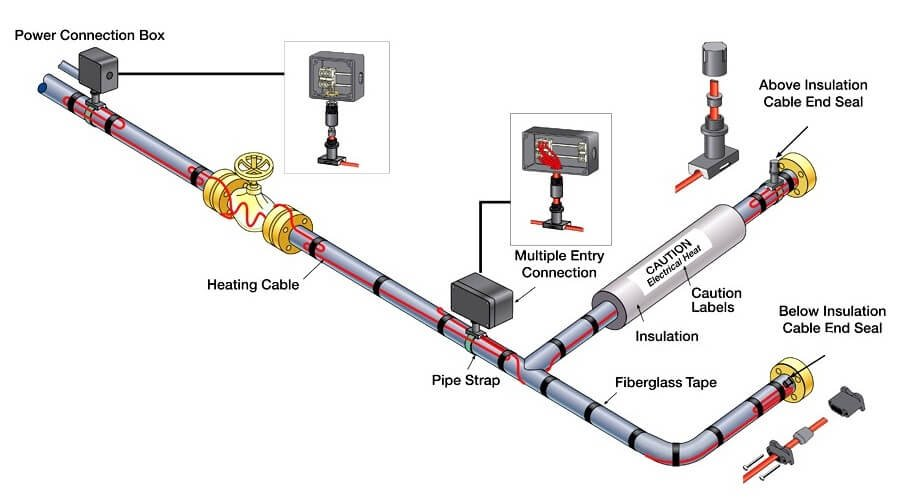
Most heat trace systems operate using either a thermostat or a temperature sensor. These devices communicate with the system’s heat trace controller, instructing it to increase or decrease power based on temperature demands.
Heat trace cables can be cut to length, allowing installers to tailor the system to the exact pipe dimensions. Power input is measured in watts per linear foot, and typical heat trace voltages range from 120V–277V, with outputs between 3–20 watts per linear foot depending on the application.
Types of Heat Trace Systems
1. Constant Wattage
Constant wattage heat tracing uses two parallel cables wrapped around the pipe with a heating element between them. The cables are placed strategically to create individual “power zones,” each acting as its own fixed-resistance circuit. These zones deliver a consistent voltage and wattage, providing uniform heating.
2. Self-Regulating
Self-regulating cables automatically adjust their heat output based on surrounding temperatures. They consist of two bus wires embedded within a polymer and carbon matrix. When temperatures rise, the polymer expands, reducing electrical conductivity — and therefore reducing heat. When temperatures fall, conductivity increases, generating more heat. This design improves safety and energy efficiency.
3. Series Resistance
Series resistance systems use a single high-resistance wire. As current passes through, the wire’s resistance generates heat. Though less common, these systems provide steady heating and are suitable for long, continuous runs.
Pros & Cons of Heat Trace Systems
Pros
Easier Installation – Heat tracing systems are generally more convenient and simpler to install than steam boiler heating systems.
Energy Efficient – Heat tracing uses energy more efficiently because heat is applied directly to the pipe rather than produced through a centralized boiler system.
Cost Effective – While long runs can become expensive, heat trace systems are typically more cost-effective than steam systems, especially when considering installation, maintenance, and long-term operation.



Cons
Limited Heating Capacity – Heat trace systems are usually designed to maintain temperature, not thaw frozen lines. They often lack the capacity to generate enough heat to melt ice inside the pipe.
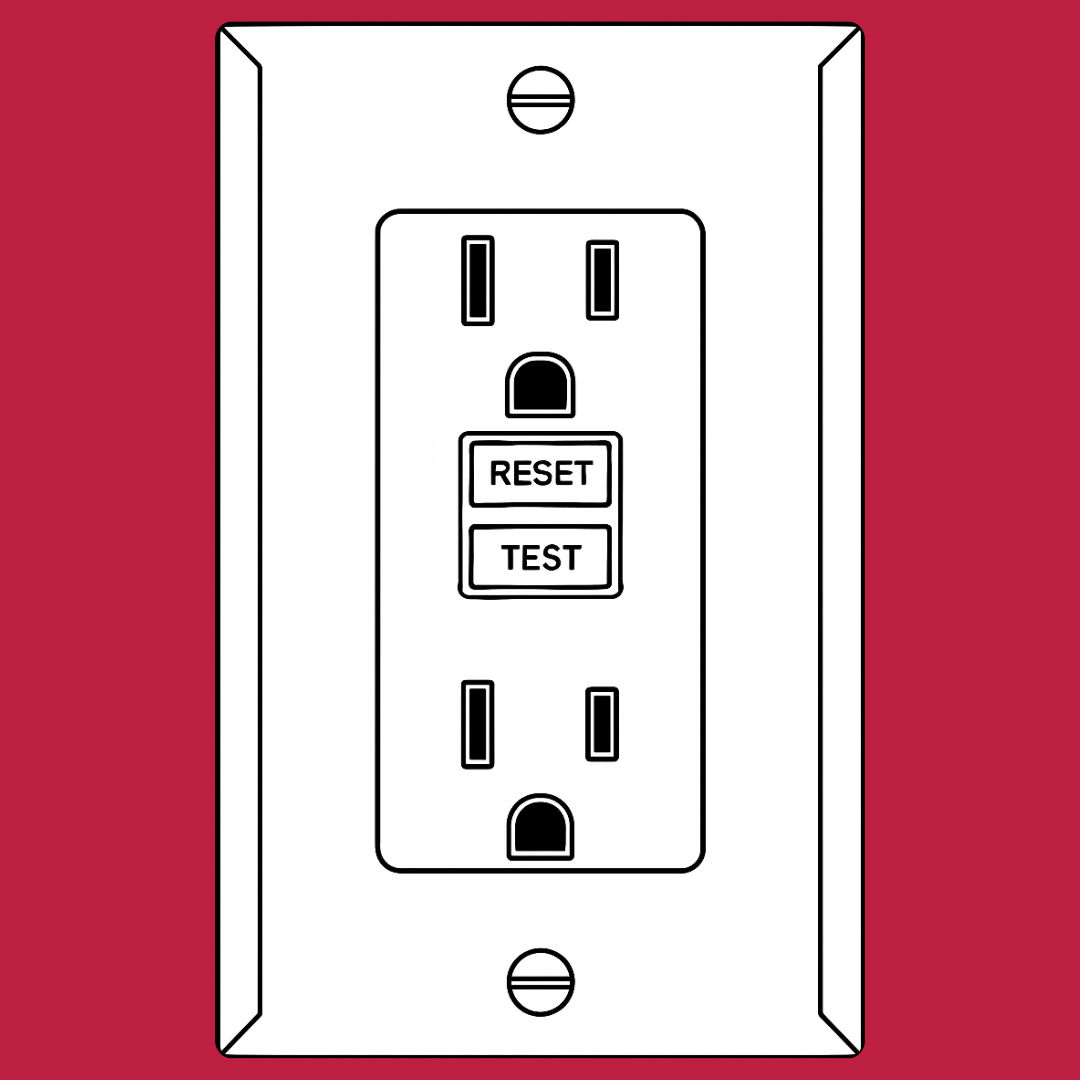
Requires Ground Fault Protection – Heat trace circuits must be protected by Ground Fault Equipment Protection (GFEP) breakers, which can be costly — especially when large quantities are needed across a facility.
Why Heat Tracing Is Important
Heat tracing is critical whenever pipes are exposed to freezing conditions — especially when they run along the exterior of buildings, rooftops, or unconditioned spaces. Without protection, cold temperatures can freeze the fluids inside piping, causing expansion, ruptures, and equipment damage.
This leads to:
Burst or cracked pipes
Damaged valves, pumps, or instrumentation
Production downtime
Costly repairs
Potential shutdowns and revenue loss
By maintaining consistent temperatures, heat trace systems safeguard equipment, protect operations, and help facilities remain productive even through severe winter weather.