
Electrical Burial Depths
Why it Matters More Than You Think…
When it comes to underground electrical work, burial depth is one of those details that can easily be overlooked — but it has a major impact on the safety, longevity, and code compliance of an installation.
It is not just about getting conduit below grade and moving on. Proper burial depth helps protect electrical systems from physical damage, corrosion, environmental stress, and future failures. It is one of the basic decisions that can determine whether an underground installation holds up over time or becomes a problem later.
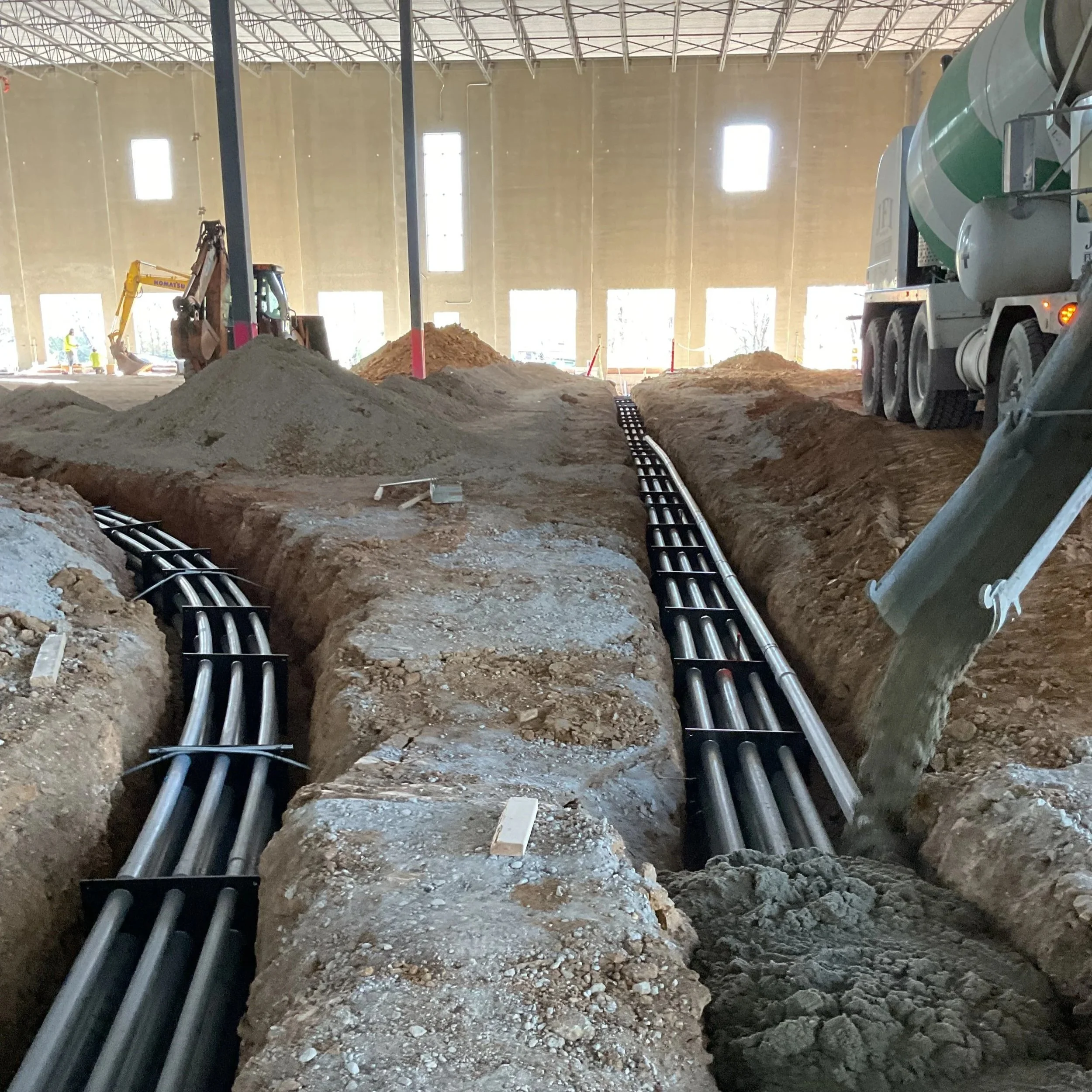
Burial Depth Is About More Than Just Code 📘
The National Electrical Code provides minimum requirements for underground installations, but burial depth is not simply a box to check. It is part of building a system that can survive real-world conditions.
Underground raceways and cables are exposed to more than just dirt. They may be subject to vehicle traffic, future excavation, landscaping work, shifting soil, and changing weather conditions. If the installation is too shallow, the risk of damage goes up fast.
That is why burial depth matters from both a practical and legal standpoint. A system that is not installed deep enough may be more vulnerable to impact, movement, and wear — and if something goes wrong, noncompliance can create serious liability.
What Determines Required Burial Depth?
There is no single answer that applies to every underground electrical installation. Burial depth depends on several key factors.
The first is the type of material being installed. Different raceway types offer different levels of physical protection, which affects how much cover is required.
The second is the application itself. Installations located below areas with vehicular traffic or heavier surface loads may require additional protection or greater depth than installations in less demanding environments.
The third is local code enforcement. While the NEC establishes the baseline, local jurisdictions may have stricter requirements or additional limitations depending on the project and location.
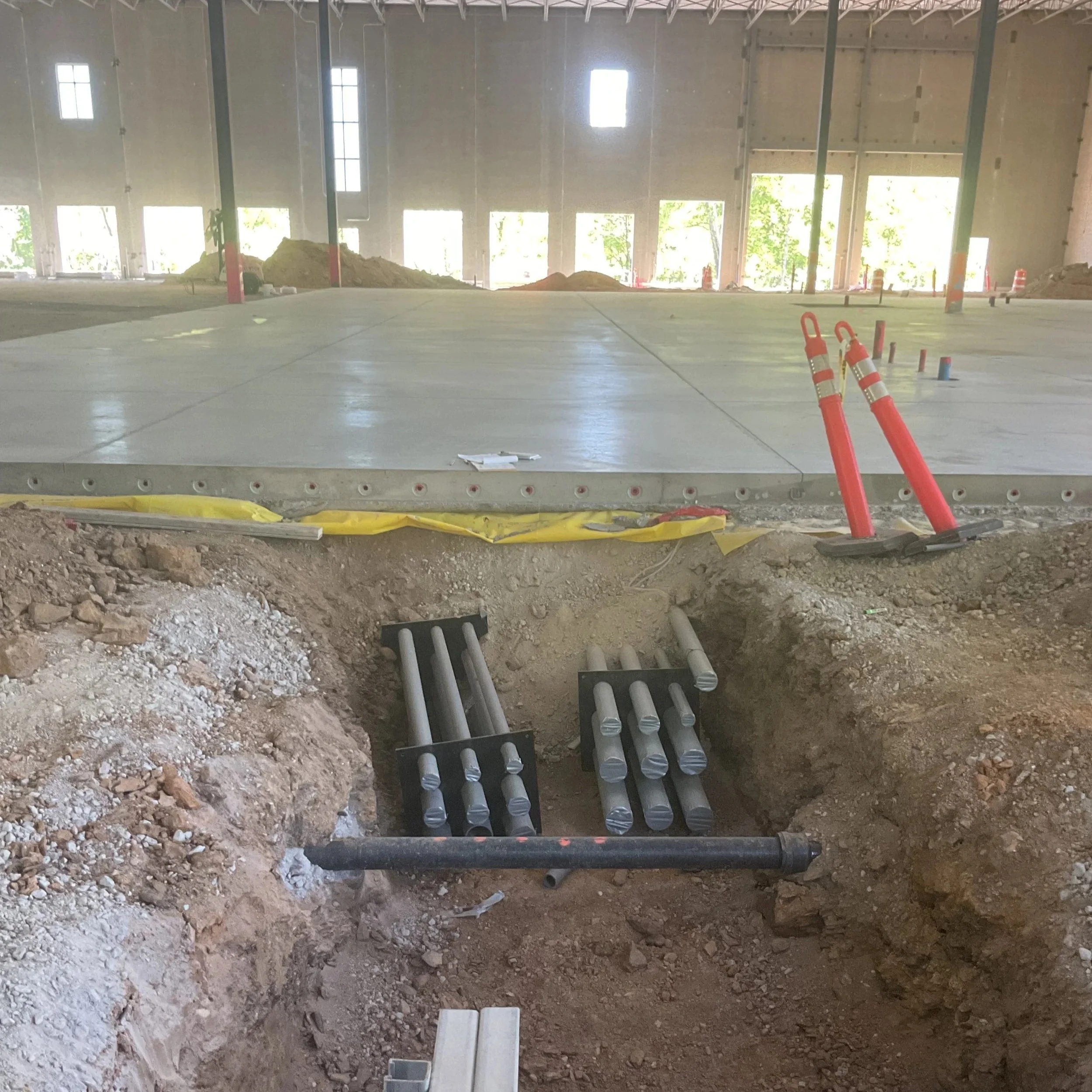
General Burial Depths Commonly Referenced 📏
As outlined in the presentation, the general minimum burial depths shown are:
· Rigid Metal Conduit: 6 inches
· PVC Conduit: 18 inches
· Direct Buried Cable: 24 inches
These are useful baseline numbers, but they should never be treated as a substitute for reviewing the actual project conditions and applicable code requirements.
What Happens When Burial Depth Is Wrong? 🚧
Improper burial depth can create problems that do not show up right away.
A shallow installation may be damaged during future digging, landscaping, site work, or equipment movement. Even when there is no immediate impact, environmental conditions can still take a toll. Soil shifts as temperatures change, and that expansion and contraction can place stress on underground conduit systems over time.
The result can be anything from physical damage to premature system failure. On top of that, if the installation does not meet code, the consequences may also include failed inspections, rework, delays, or liability exposure.
The Bottom Line 🔍
Burial depth may seem like a small part of an electrical installation, but it plays a big role in protecting the system and ensuring the work is done right.
Understanding the material being used, the conditions of the site, and the code requirements that apply is critical. In underground electrical work, the difference between a compliant, durable installation and a future headache often starts with how deep you go.